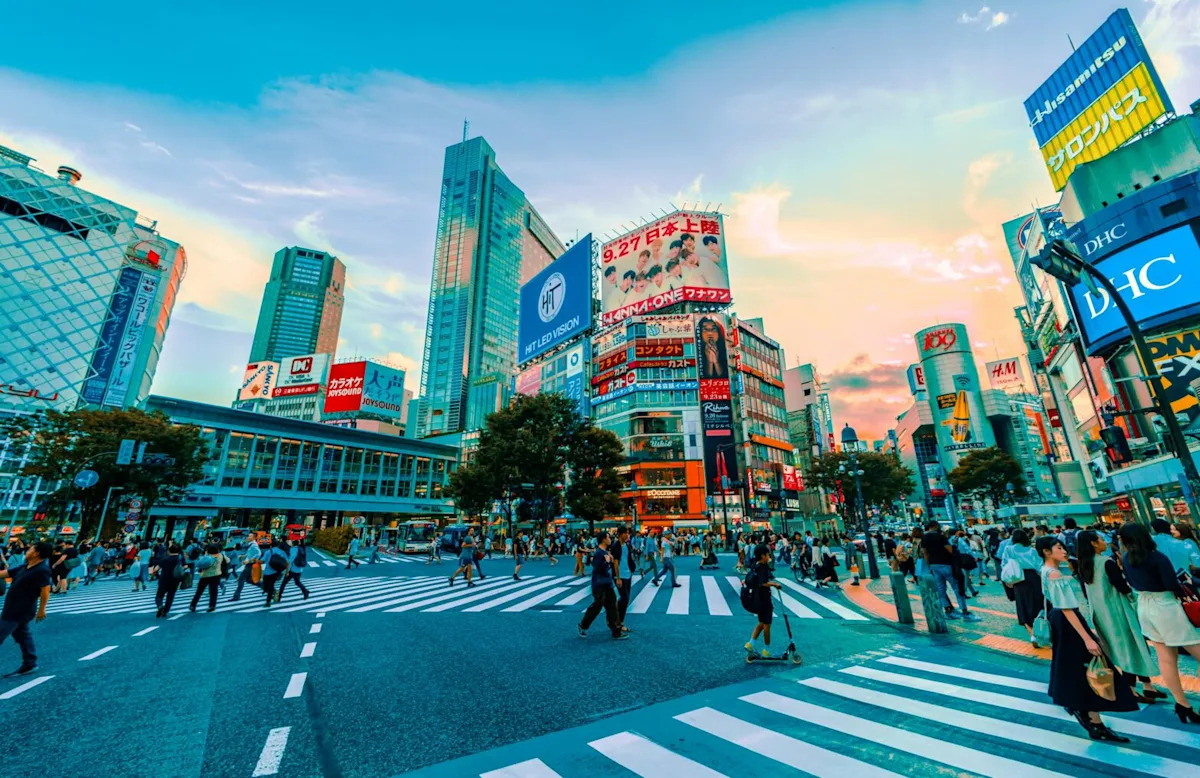
Japan, an archipelago nation steeped in millennia of history yet perpetually at the forefront of innovation, continues to capture the imaginations of travelers worldwide. From the serene temples of Kyoto to the electric bustle of Tokyo, the country offers an unparalleled blend of ancient traditions and futuristic marvels. As we look towards 2026, Japan is poised to welcome a record number of visitors, building on the impressive 42.68 million who explored its wonders in 2025. This surge in tourism underscores its enduring appeal, but also prompts a critical question for prospective travelers: Is it safe to travel to Japan now, specifically in 2026?
This comprehensive report delves into Japan's safety landscape for the year 2026, offering an essential guide to navigating its unique blend of cultural richness and practical considerations. While Japan consistently ranks as one of the safest countries globally, being informed about its specific safety nuances – from public order to natural disaster preparedness – is key to a truly seamless and worry-free journey.
Japan in 2026: A Timeless Allure Meets Modern Preparedness
Nestled in the Pacific Ocean, east of China and Korea, Japan comprises four main islands—Honshu, Hokkaido, Kyushu, and Shikoku—and thousands of smaller ones. Its historical narrative, shaped by emperors and samurai, paved the way for a remarkable modernization post-World War II, transforming it into a global economic and cultural powerhouse. Today, Japan leads in technology, fashion, and pop culture, all while meticulously preserving its profound heritage.
Travelers flock to Japan for diverse experiences: the neon-lit dynamism of Tokyo, the spiritual tranquility of Kyoto's ancient temples, the majestic views of Mount Fuji, and the culinary delights of Osaka. Beyond its iconic cities, Japan entices with world-class skiing in Hokkaido, sun-kissed tropical beaches in Okinawa, and the historical charm of samurai towns like Kanazawa and Kagoshima. The country's unique allure is further enhanced by its famous onsen (hot springs), breathtaking cherry blossoms, traditional sumo wrestling, vibrant anime culture, and the unmatched efficiency of its high-speed Shinkansen bullet trains.
With its incredible safety record, exemplary transportation networks, and a seemingly endless list of sights and activities, Japan remains a dream destination. However, understanding the specific aspects of safety in 2026 means looking beyond the surface and preparing for both the expected and the rare.
Understanding Japan's Safety Profile: Crime Rates & Public Order
One of Japan's most celebrated attributes is its exceptional level of safety. The nation is renowned for its low crime rates and a deeply ingrained sense of public order, contributing to a remarkably secure environment for residents and tourists alike. Violent crime targeting tourists is almost unheard of, allowing visitors to explore with a profound sense of peace. Nevertheless, a vigilant traveler is an informed traveler, even in Japan.
Overall Risk: Exceptionally Low
Japan’s overall risk level is undeniably low. Its societal norms, robust law enforcement, and strong community values create an atmosphere where serious criminal activity is rare. This doesn't mean it's entirely risk-free; like any popular destination, minor incidents can occur. The primary risks, however, are far more likely to stem from natural phenomena than human maliciousness.
Transportation & Taxis: Efficient and Reliable, with Minor Caveats
Japan's public transportation system is a marvel of efficiency, punctuality, and safety. Trains and subways are immaculate and run like clockwork, making them an ideal way to navigate both urban centers and inter-city routes. However, during peak rush hours, particularly in major cities like Tokyo and Osaka, trains can become extraordinarily crowded. While pickpocketing is rare, these crowded conditions present the most significant opportunity for petty theft. Our advice? Try to avoid traveling with large luggage during rush hour and always keep your belongings secure and close.
Taxis are another safe option, though they can be quite expensive, charging based on both distance and time. Scams are infrequent, but be wary of unlicensed "black taxis" found in some nightlife districts, which might attempt to overcharge unsuspecting passengers. Always opt for official taxis with visible meters and company markings.
Pickpocketing & Petty Theft: Vigilance in Crowds
While Japan boasts incredibly low rates of pickpocketing, it's not entirely immune. Tourist hotspots, bustling train stations, and crowded markets are places where opportunistic petty theft could occur. Areas like Tokyo's Shibuya Crossing, Osaka's Dotonbori, and Kyoto's Fushimi Inari Shrine are examples of locations where vigilance is prudent. Simple precautions can make all the difference: keep bags zipped and preferably locked, avoid placing phones or wallets on unattended tables in restaurants, and be mindful of your surroundings. The general honesty in Japan is remarkable – lost items are frequently returned – but it’s always best to prevent loss in the first place.
Mugging & Violent Crime: A Rare Concern
The risk of mugging in Japan is exceptionally low, even when walking alone at night. The country maintains a strong sense of public order and safety. However, isolated incidents of aggression or scams have occasionally been reported in very specific nightlife areas, such as Tokyo's Roppongi and Shinjuku's Kabuki-cho. These often involve touts attempting to lure tourists into bars with inflated prices, or in very rare instances, drink spiking. To minimize any risk, avoid accepting invitations from street touts, stick to reputable establishments, and never leave your drink unattended. These incidents are outliers, but awareness is your best defense.
For more detailed insights into specific crime types and preventative measures, you might find Navigating Japan: Understanding Crime & Disaster Risks in 2026 a valuable resource.
The Bigger Picture: Natural Disasters in Japan (A Medium Risk Factor)
Japan's geographical location places it in an active seismic zone, making it prone to natural disasters such as earthquakes, typhoons, and tsunamis. While this presents a "medium risk" in terms of needing preparedness, it's crucial to understand that Japan is also one of the world's most prepared nations for such events.
Earthquakes
Earthquakes are a regular occurrence in Japan, but the vast majority are minor and go unnoticed by most. Buildings are engineered to incredibly high standards to withstand significant seismic activity, and earthquake drills are common, even for children. Travelers should familiarize themselves with basic earthquake safety: drop, cover, and hold on. Many hotels and public buildings will have multilingual emergency information available.
Typhoons
Typhoon season typically runs from May to October, with the peak usually occurring in August and September. These powerful storms can bring heavy rainfall, strong winds, and localized flooding, potentially disrupting travel plans (e.g., flight cancellations, train delays). Monitor weather forecasts closely, especially if traveling during these months, and follow local advisories.
Tsunamis
Tsunamis are a potential threat following large offshore earthquakes. Japan has an advanced tsunami warning system, and coastal areas are equipped with evacuation routes and shelters. If you are near the coast and feel a strong earthquake or hear a tsunami warning, immediately move to higher ground, even if no official warning has been issued. Your hotel or accommodation should provide information on local evacuation points.
Given the potential for natural events, staying informed is paramount. Consider downloading disaster prevention apps (e.g., Japan Official Travel App), which often provide real-time alerts in English. Ensure your travel insurance covers natural disaster-related disruptions. While the risk of a major natural disaster significantly impacting your specific trip is relatively low, being prepared ensures your safety and peace of mind. For a deeper dive into preparedness, consider reading Japan Travel Safety 2026: Low Crime, High Prep for Disasters.
Essential Safety Tips for Your 2026 Japan Journey
To ensure your trip to Japan in 2026 is as safe and enjoyable as possible, consider these practical tips:
- Stay Informed: Monitor local news and weather forecasts, especially during typhoon season. The Japan Official Travel App provides emergency alerts in English.
- Emergency Contacts: Know the local emergency numbers: 110 for police, 119 for fire/ambulance. Program your embassy's contact information into your phone.
- Travel Insurance: Invest in comprehensive travel insurance that covers medical emergencies, trip cancellations, and natural disaster disruptions.
- Secure Valuables: While petty crime is low, always keep your passport, cash, and other valuables in a secure, concealed place, especially in crowded areas.
- Mind Your Belongings: Even in a restaurant, avoid leaving your phone or wallet unattended on a table or hanging your bag on the back of a chair in easily accessible spots.
- Respect Local Customs: Adhering to local etiquette (e.g., quiet on trains, proper waste disposal) not only shows respect but also contributes to the harmonious public order that defines Japan's safety.
- Language Barrier: While many Japanese in tourist areas speak some English, it's not universal. Carry a phrasebook or use a translation app to facilitate communication, especially in emergencies.
- Nightlife Prudence: If you venture into nightlife districts, be aware of your surroundings, avoid accepting drinks or services from touts, and inform someone of your plans.
- Know Your Accommodation: Familiarize yourself with your hotel's emergency exits, earthquake procedures, and local evacuation points, particularly if staying in a coastal area.
Conclusion
So, is it safe to travel to Japan now in 2026? The resounding answer is yes. Japan remains an exceptionally safe destination, boasting minimal crime rates and an exemplary level of public order that fosters a profound sense of security for visitors. The primary considerations for a 2026 journey revolve around preparedness for natural disasters, for which Japan is among the best-equipped nations globally, and minor vigilance against petty theft in high-traffic tourist areas.
By staying informed, respecting local customs, and taking sensible precautions, you can confidently immerse yourself in Japan's captivating culture, breathtaking landscapes, and unparalleled experiences. Your essential safety report for 2026 affirms that Japan is ready to welcome you with open arms, promising a journey that is not only unforgettable but also incredibly secure.