Japan Travel Safety 2026: Low Crime, High Prep for Disasters
Japan continues to captivate the hearts of travelers worldwide, blending ancient traditions with futuristic innovation. As we look towards 2026, the burning question for many potential visitors remains:
Is It Safe To Travel To Japan Now? The resounding answer is a confident yes, with Japan maintaining its status as one of the safest and most welcoming destinations on the planet. Its remarkable safety record, coupled with an unparalleled cultural richness, led to an impressive 42.68 million visitors in 2025, surpassing pre-pandemic records and solidifying its position as a global tourism leader.
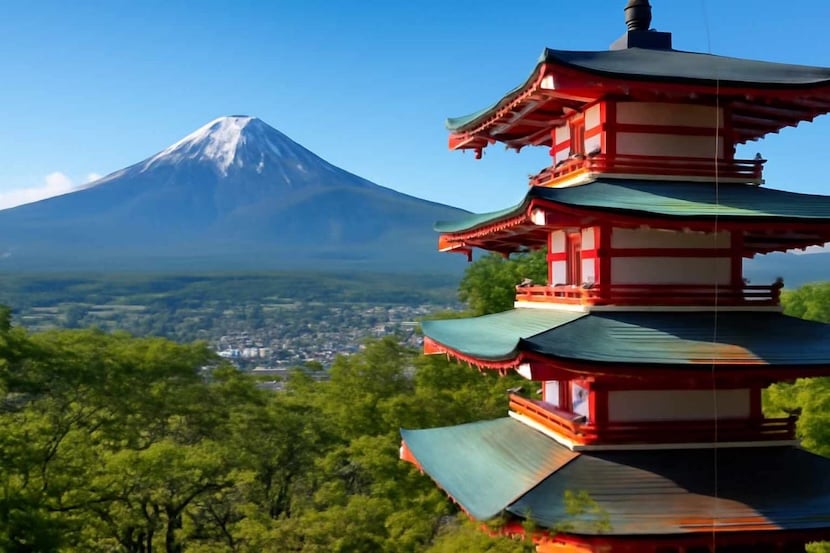
From the vibrant, neon-lit streets of Tokyo and the serene, ancient temples of Kyoto to the majestic peak of Mount Fuji and the culinary delights of Osaka, Japan offers an endless array of experiences. Beyond the bustling cities, you can discover world-class skiing in Hokkaido, pristine tropical beaches in Okinawa, and historic samurai districts in Kanazawa and Kagoshima. The country is also renowned for its rejuvenating onsen (hot springs), breathtaking cherry blossoms, iconic sumo wrestling, globally influential anime culture, and the hyper-efficient bullet trains. Whether your passion lies in history, outdoor adventures, or cutting-edge technology, Japan truly has something for everyone. And with its incredible public order and efficient infrastructure, it's no surprise that its popularity only continues to grow.
Is It Safe To Travel To Japan Now? Unpacking the 2026 Safety Status
When evaluating travel safety for Japan in 2026, it’s crucial to consider two primary factors: the country's exceptionally low crime rates and its robust preparedness for natural disasters. The overall risk for travelers to Japan is consistently assessed as
LOW. Violent crime against tourists is extraordinarily rare, a testament to Japan’s strong social cohesion and strict legal framework. However, like any popular destination, it's wise to be aware of minor risks such as petty theft and, less commonly, nightlife scams. The more significant, yet manageable, aspect of safety in Japan pertains to natural phenomena like earthquakes, typhoons, and tsunamis. The good news is that Japan is a world leader in disaster preparedness, with advanced warning systems and resilient infrastructure designed to protect its populace and visitors.
Navigating Low Crime Risks: Vigilance in a Safe Nation
Japan's crime rates are among the lowest globally, creating an environment where travelers often feel remarkably secure, even late at night. However, maintaining a reasonable level of situational awareness is always recommended.
*
Petty Theft & Pickpocketing (LOW RISK): While Japan has very low rates of petty crime, pickpocketing can still occur in extremely crowded tourist hotspots, busy train stations, and bustling markets. Areas like Tokyo's Shibuya Crossing, Osaka's Dotonbori, and Kyoto's Fushimi Inari Shrine are particularly dense with people. To minimize risk, always keep your bags securely zipped (and locked if possible), and never leave phones, wallets, or other valuables unattended on restaurant tables or train seats. A little caution goes a long way in preventing minor inconveniences.
*
Nightlife Scams & Mugging (LOW RISK): Instances of mugging are exceptionally rare in Japan, even in major urban centers at night. However, in certain nightlife districts known for attracting foreign visitors, such as Roppongi and Kabuki-cho in Tokyo, there have been isolated reports of scams, particularly involving inflated bar tabs or unlicensed "black taxis" overcharging. Always opt for official taxis or reliable ride-sharing apps, and be wary of unsolicited offers for drinks or entertainment. The overall risk of violent encounters remains exceptionally low.
*
Public Transportation (LOW RISK): Japan's public transportation network, including its iconic bullet trains and extensive subway systems, is renowned for its efficiency, punctuality, and safety. Scams are virtually nonexistent. The main "risk" to be aware of is the sheer volume of commuters during rush hour. Trains can become incredibly crowded, making it uncomfortable to travel with large luggage and occasionally increasing the potential for minor pickpocketing incidents. Plan your travel during off-peak hours when possible, especially if you have significant baggage.
For a deeper dive into the nuances of crime and safety in Japan, you might find this article useful:
Navigating Japan: Understanding Crime & Disaster Risks in 2026.
High Prep for Natural Disasters: Understanding and Readiness
While Japan boasts an enviable safety record regarding crime, it is geographically situated in an active seismic zone and experiences seasonal weather phenomena. For this reason, the natural disaster risk is often categorized as
MEDIUM – not because the country is inherently unsafe, but because travelers need to be aware and prepared for potential events that might be unfamiliar to them. Japan's commitment to disaster preparedness is world-leading, with stringent building codes, advanced early warning systems, and a highly organized response infrastructure.
*
Earthquakes: Japan experiences frequent seismic activity, but most tremors are minor and go unnoticed by residents and visitors. Major earthquakes are less common, but the country's infrastructure is specifically engineered to withstand significant seismic events. Many buildings feature advanced shock-absorbing technology. Familiarize yourself with basic earthquake safety protocols: "Drop, Cover, and Hold On." Most hotels and public places have clear emergency information.
*
Tsunamis: Following a powerful offshore earthquake, there is a risk of tsunamis, particularly in coastal areas. Japan has an excellent tsunami warning system, and coastal regions have designated evacuation routes and shelters. If you are near the coast and feel a strong earthquake or hear a tsunami warning, immediately move to higher ground.
*
Typhoons: These tropical cyclones primarily affect Japan during the late summer and early autumn months (August to October). Typhoons can bring heavy rainfall, strong winds, and travel disruptions (flights, trains). Japan's infrastructure is designed to manage these storms, but it's essential to stay informed about weather forecasts and follow local advisories.
To stay prepared, download a reliable earthquake and disaster warning app (like "Safety tips" for foreigners, offered by the Japan Tourism Agency), monitor local news, and always follow instructions from local authorities and your accommodation staff. Travel insurance that covers natural disaster-related disruptions is also a wise investment.
Essential Travel Tips for a Smooth 2026 Journey
Beyond understanding specific risks, a memorable and safe trip to Japan in 2026 also hinges on practical preparation and cultural awareness.
*
Stay Connected: Reliable internet access is crucial for navigation, translation, and emergency information. Consider renting a pocket Wi-Fi device or purchasing an eSIM for your smartphone upon arrival.
*
Cash vs. Card: While cashless payments are becoming more widespread, Japan remains a cash-reliant society in many smaller establishments, particularly outside major cities. Carry sufficient yen for everyday expenses.
*
Cultural Etiquette: Respecting local customs greatly enhances your experience. This includes bowing, removing shoes before entering homes or certain establishments, keeping noise levels down on public transport, and understanding onsen (hot spring) rules.
*
Language Barrier: While many Japanese in tourist areas speak some English, having a translation app (like Google Translate) on hand and learning a few basic Japanese phrases (hello, thank you, excuse me) will be incredibly helpful and appreciated.
*
Travel Insurance: Comprehensive travel insurance is highly recommended. This should cover medical emergencies, travel delays or cancellations (especially those due to natural disasters), and lost luggage.
*
Stay Informed: Beyond disaster preparedness, keep an eye on any updated entry protocols or regional advisories that might emerge. Official government travel websites and your embassy's guidance are excellent resources.
For a more comprehensive look at overall safety considerations for your trip, check out:
Is Japan Safe in 2026? Your Essential Safety Report.
Conclusion
In conclusion, for those asking, "Is It Safe To Travel To Japan Now?", rest assured that Japan remains an exceptionally safe and welcoming destination for 2026. The country's remarkably low crime rates, combined with its advanced and proactive approach to natural disaster preparedness, create a secure environment for exploration. By maintaining a basic level of awareness regarding petty crime and familiarizing yourself with Japan's robust disaster response systems, you can confidently immerse yourself in its unique blend of tradition and modernity. From the serene gardens to the bustling metropolises, Japan offers an unforgettable journey, promising both safety and wonder at every turn. Embark on your adventure with peace of mind, knowing you're visiting one of the world's most secure and captivating nations.